What Is An Enzyme Example
What Is An Enzyme Example. Pepsinogen gets converted into pepsin by the action of hcl secreted by gastric glands. Some examples of isomerases include triose phosphate isomerase, bisphosphoglycerate mutase, and photoisomerase.
 Chapter 8 Enzymes from science.halleyhosting.com
Metabolism of drugs contents 1 abstract 2 1.1 phase i 3 major example of oxidation: Isomerases are enzymes that catalyze the formation of a substrate's isomer. Enzyme activators are molecules that bind to enzymes and increase their activity.

The substrates bind to a region on the enzyme called the active site. For example, the enzyme pepsin hydrolyzes peptide bonds in proteins.

Enzyme inhibitors are used to gain information about the shape of active site of enzyme and amino. Some examples of isomerases include triose phosphate isomerase, bisphosphoglycerate mutase, and photoisomerase.

What is enzyme explain with example? Though specificity towards a specific substrate is an important characteristic of any enzyme, the inhibitor can still compete with the substrate for the active site of the.

Amylase is found in saliva. Positive allosteric modulation (sometimes called an allosteric activation) occurs when the binding of one ligand enhances the attraction between substrate molecules and other binding sites.;
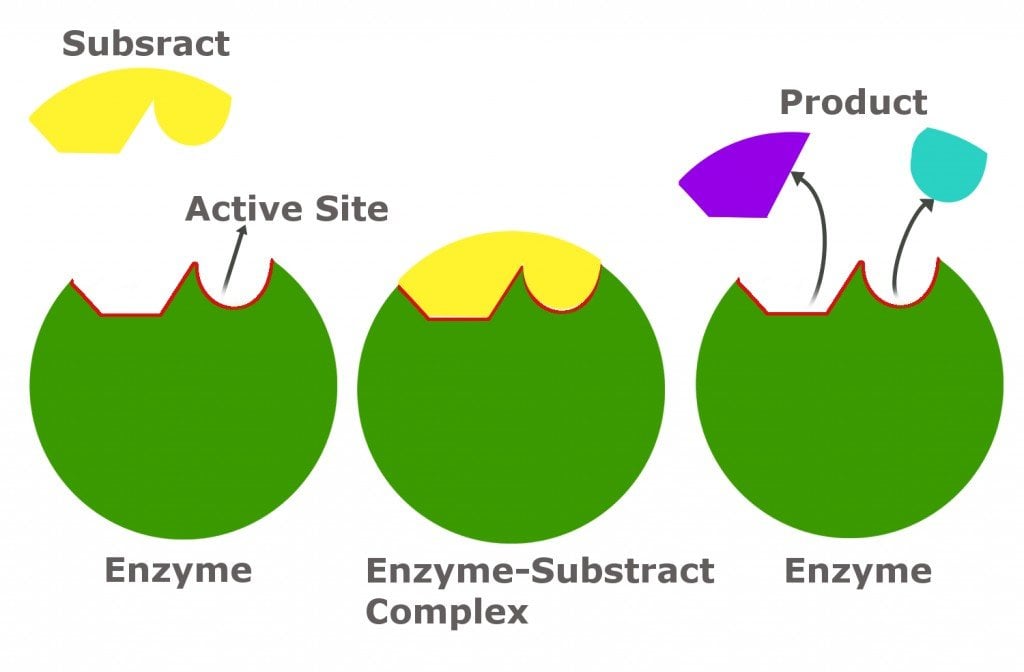
Hydrolase is a class of enzyme that commonly perform as biochemical catalysts that use water to break a chemical bond, which typically results in dividing a larger molecule into smaller molecules. The viral enzyme neuraminidase causes virions to be released from infected cells in the body after it cleaves a docking protein.
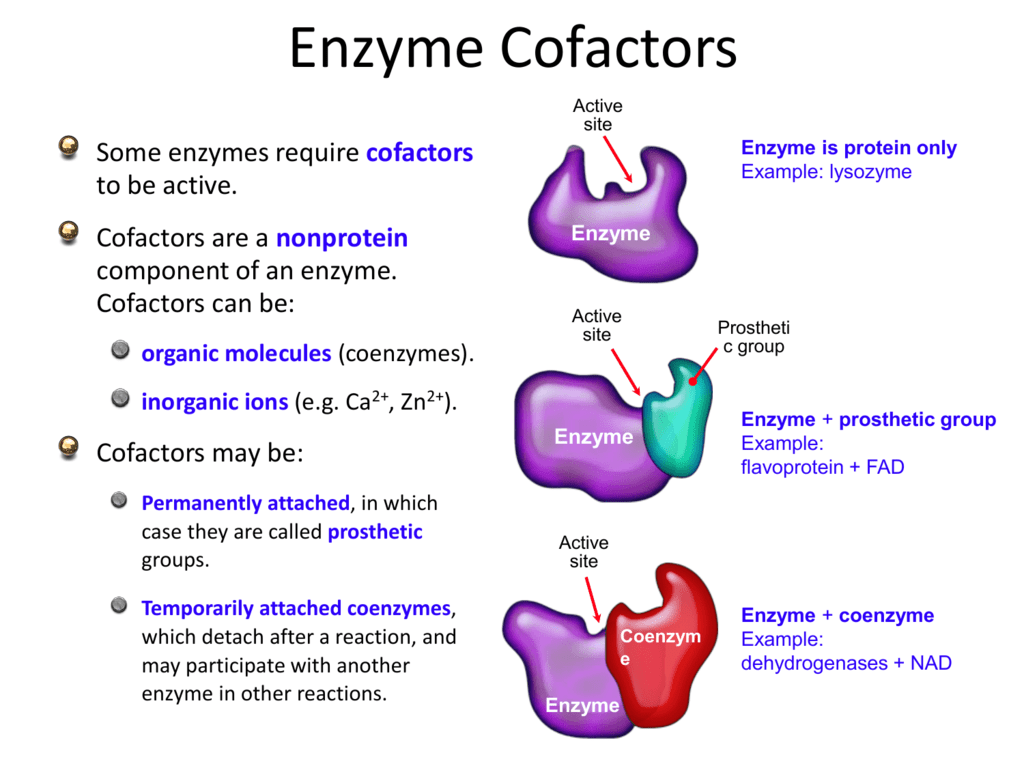
What is enzyme with example? The enzyme functions to catalyze the condensation of aspartate and carbamoyl phosphate to form ncarbamoylaspartate and orthophosphate.

Esterases cleave ester bonds in. It is because the enzyme molecules get regenerated during their catalytic activity.

The enzyme catalyzes the first step in the synthesis of pyrimidines. Though specificity towards a specific substrate is an important characteristic of any enzyme, the inhibitor can still compete with the substrate for the active site of the.
It is secreted by peptic of chief cells of gastric mucosa as a proenzyme called pepsinogen. Pepsinogen gets converted into pepsin by the action of hcl secreted by gastric glands.

The enzyme functions to catalyze the condensation of aspartate and carbamoyl phosphate to form ncarbamoylaspartate and orthophosphate. This is also part of enzyme regulation.
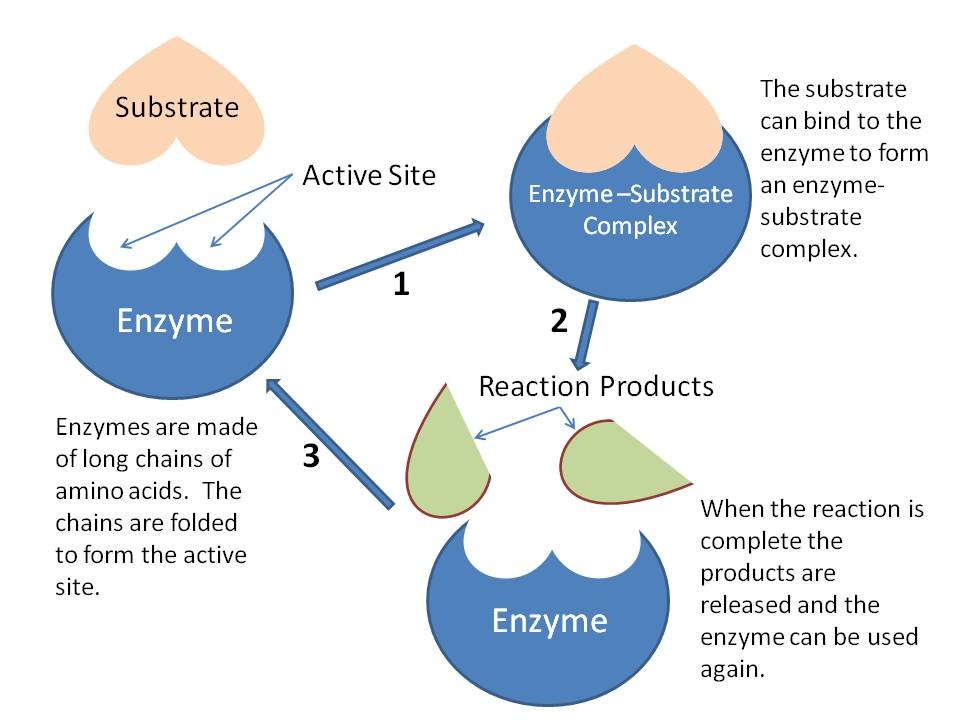
An extraordinary example of an enzyme is omp decarboxylase. Some common examples of hydrolase enzymes are esterases including lipases, phosphatases, glycosidases, peptidases, and nucleosidases.

What is enzyme with example? It is because the enzyme molecules get regenerated during their catalytic activity.

Enzymes are highly selective catalysts, meaning that each enzyme only speeds up a specific reaction. The substrates bind to a region on the enzyme called the active site.

The enzyme pepsin, for example, is a critical component of gastric juices, helping to break down food particles in the stomach. Amylase is found in saliva.

4 flavin monooxygenases 5 alcohol dehydrogenase and aldehyde dehydrogenase 6 monoamine oxidase and diamine 7 reduction 8 hydrolysis 9 1.2 phase ii (second part of drug metabolism): The enzyme pepsin, for example, is a critical component of gastric juices, helping to break down food particles in the stomach.

An example is the binding of oxygen molecules to hemoglobin, where oxygen is effectively both the substrate and the effector. The enzyme catalyzes the first step in the synthesis of pyrimidines.

Esterases cleave ester bonds in. If you are interested in using enzyme with custom assertions and convenience functions for testing your react components, you can consider using:
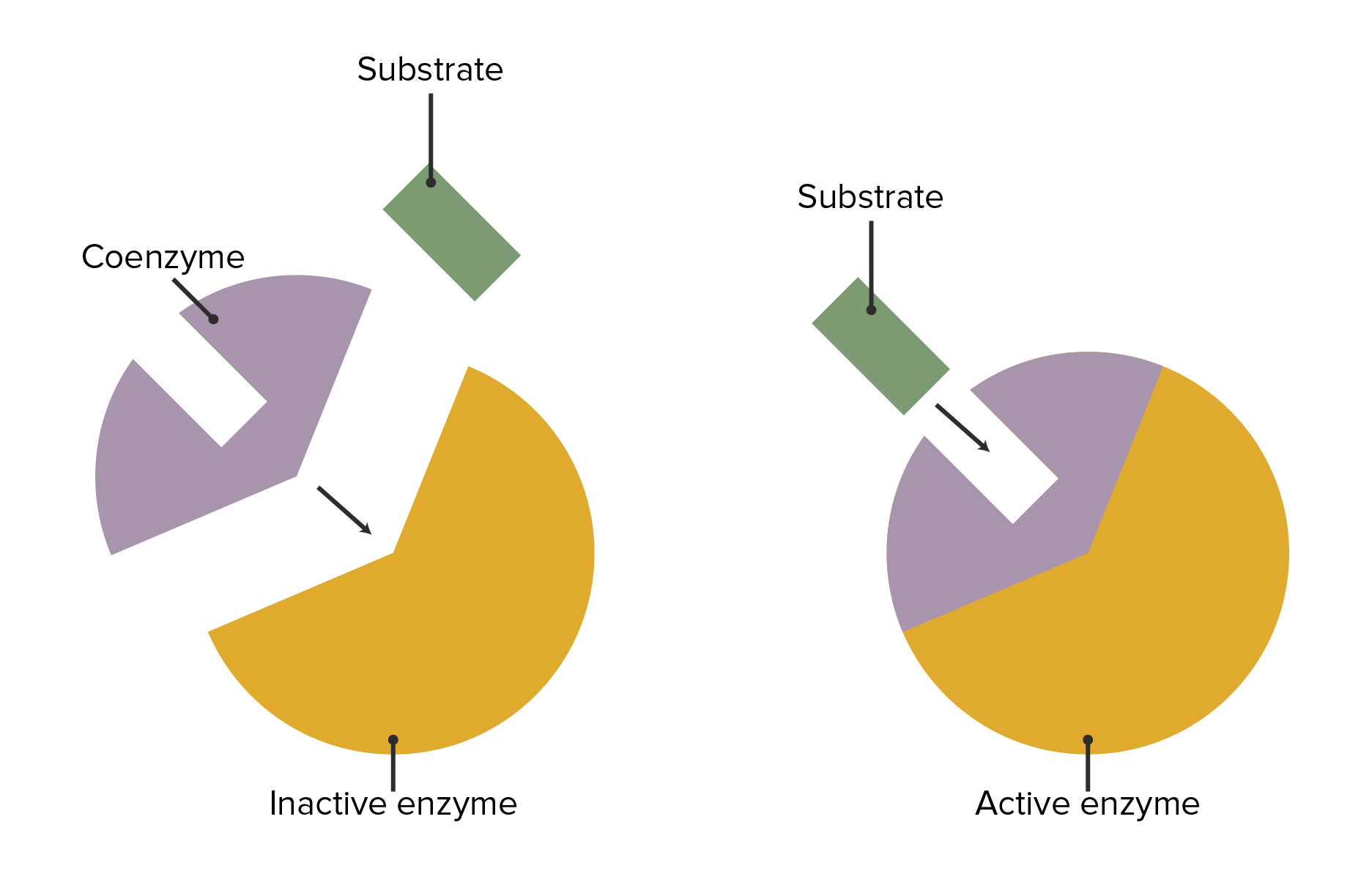
Competitive inhibition is a type of reversible inhibition where the substrate and the inhibitor compete to bind at the active site of the enzyme. Some common examples of hydrolase enzymes are esterases including lipases, phosphatases, glycosidases, peptidases, and nucleosidases.
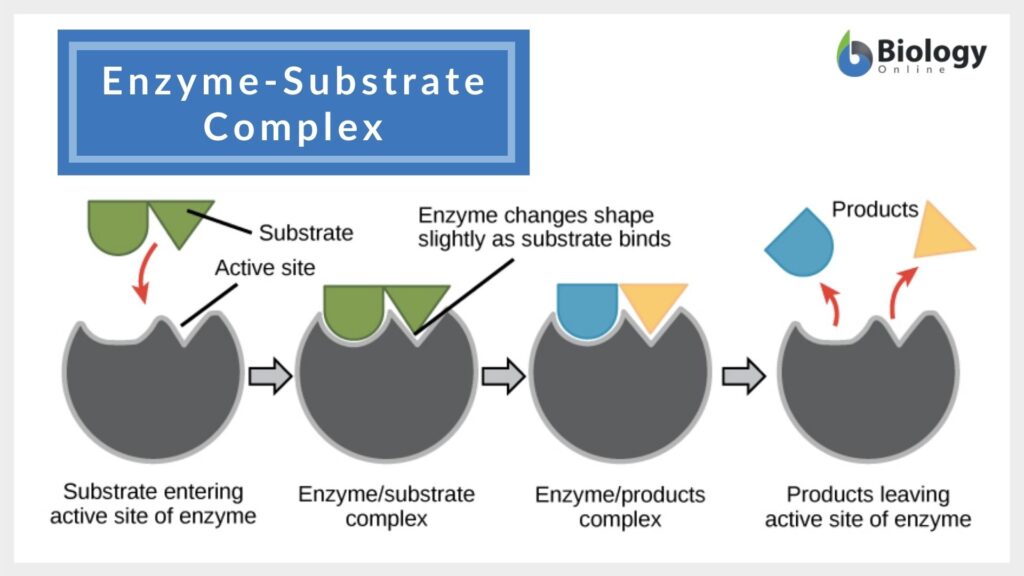
Competitive inhibition is a type of reversible inhibition where the substrate and the inhibitor compete to bind at the active site of the enzyme. There are thousands of enzymes in the human body, here are just a few examples:
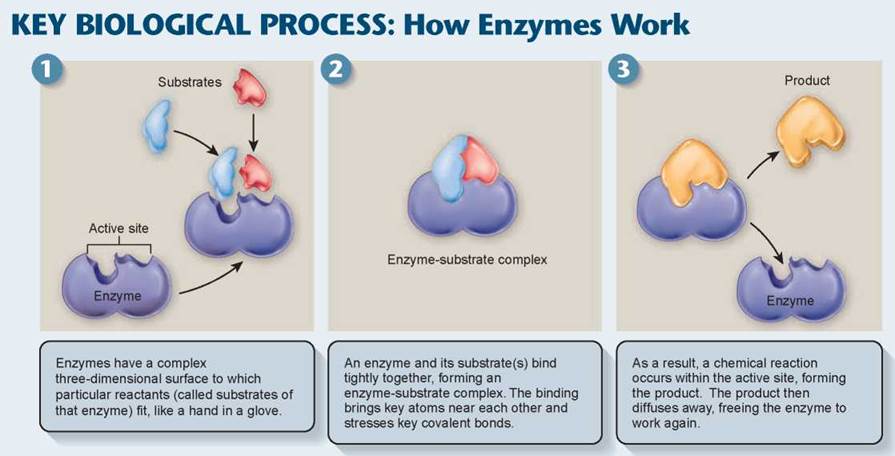
The substrates bind to a region on the enzyme called the active site. An extraordinary example of an enzyme is omp decarboxylase.
Though Specificity Towards A Specific Substrate Is An Important Characteristic Of Any Enzyme, The Inhibitor Can Still Compete With The Substrate For The Active Site Of The.What is enzyme with example? The documentation and examples for enzyme use mocha and chai, but you should be able to extrapolate to your framework of choice. For example, the enzyme rennin can coagulate over a million times the weight of milk protein.
For Example, The Enzyme Pepsin Hydrolyzes Peptide Bonds In Proteins.This process would otherwise take 78 million years in its absence. Neoschizomers are the restriction enzymes which recognize the same site and have a different cleavage pattern. Isocaudomers are the restriction enzymes which recognize slightly different sequences but produce the same ends.
Examples Of Enzyme Substrate Complex Amylose Is A Complex Sugar Produced By Plants.Some examples of isomerases include triose phosphate isomerase, bisphosphoglycerate mutase, and photoisomerase. Esterases cleave ester bonds in. An extraordinary example of an enzyme is omp decarboxylase.
It Is Because The Enzyme Molecules Get Regenerated During Their Catalytic Activity.Breaks the sugar maltose into glucose. Some common examples of hydrolase enzymes are esterases including lipases, phosphatases, glycosidases, peptidases, and nucleosidases. The enzyme amylase stimulates the digestion of dietary starch.
The Molecules That An Enzyme Works With Are Called Substrates.Pepsinogen gets converted into pepsin by the action of hcl secreted by gastric glands. This is also part of enzyme regulation. Enzyme, a substance that acts as a catalyst in living organisms, regulating the rate at which chemical reactions proceed without itself being altered in the process.


Komentar
Posting Komentar